 Shenzhen Jiesheng Xing Electronics Co., Ltd.
In the tropospheric atmosphere, atmospheric pollutants mostly diffuse vertically upward or horizontally from near the ground, while solar radiation, an important driving force for atmospheric chemical reactions, is transmitted from top to bottom. Therefore, the study of atmospheric environmental chemistry should not only focus on near-surface pollution, but also on changes in the structure and composition of the atmosphere within a certain altitude range (especially the boundary layer), otherwise it is difficult to fully reveal the actual atmospheric chemical reaction process in the troposphere.
Previously, a variety of atmospheric environment vertical monitoring methods have been applied, such as atmospheric boundary layer towers, manned aircraft, balloons and airships. However, the boundary layer tower is fixed, usually below 300 meters high, and mostly built in urban areas. These methods have been unable to meet the needs of air pollution research in the new era.
The maneuverability and flexibility of the UAV can effectively make up for the above defects and make the places that are not easily accessible easy to reach. Combining the atmospheric monitoring sensor with the UAV and establishing the sensor system monitoring through the network has the advantages of three-dimensional monitoring, fast response speed, wide monitoring range and small terrain interference, It is one of the important development directions for pollution source identification and concentration monitoring of atmospheric emergencies in the future.
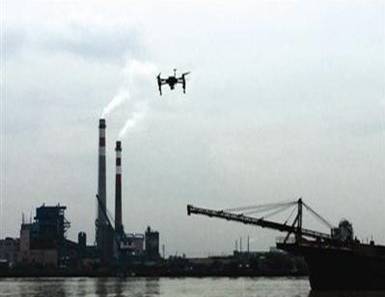
The standard monitoring parameters of UAV atmospheric monitoring system include: carbon monoxide, sulfur dioxide, nitrogen dioxide, ozone, volatile organic compounds and particulate matter PM2.5, PM10, etc. The UAV collects data after arriving at the target site, and transmits the collected data to the ground data processing system for processing and analysis through GPRS.
The UAV atmospheric monitoring system mainly includes unmanned aerial vehicle, gas detection sensor, data transmission/GPRS, ground station/server, data processing software and so on.
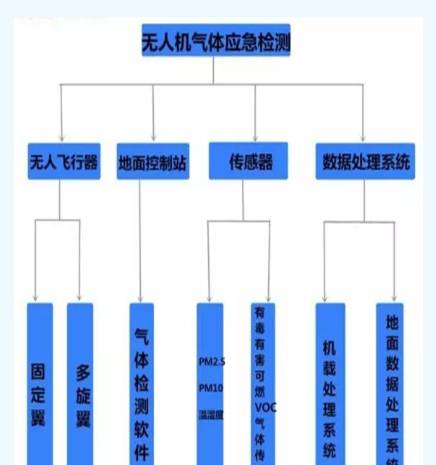
The detection methods of sensor components of the monitoring module mainly include electrochemical detection (measurement of SO2, CO, NO2, O3 and other regular gases), photoelectric particle detection (measurement of VOCs, etc.), and laser scattering detection (measurement of PM2.5, PM10, etc.).
Shenzhen agent of the British alphansense sensor, specifically for the field of atmospheric monitoring introduced the ambient air quality sensor, including toxic gas sensor A4/B4 series, VOCs detection sensor PID-AH and PM2.5, PM10 particle detector OPC-N2, has been widely used in the field of atmospheric monitoring.
Previous Page: APOLLO to provide you with gas pipeline leakage convenient and practical solutions
Next page: Application of Dissolved Oxygen Monitoring in Sewage Treatment Engineering